Best Time to Visit Ethiopia: Weather, Festivals & Travel Seasons
Best Time to Visit Ethiopia: Weather, Festivals & Travel Seasons
Planning a trip to Ethiopia starts with choosing the right season. The best time to visit Ethiopia depends on the region, weather, festivals, and type of experience you want. Ethiopia has diverse landscapes, from the historic northern highlands to the warm lowlands of the Omo Valley.
For travelers interested in culture and nature, timing is especially important. Moreover, choosing the right travel season can make journeys more comfortable and improve access to remote destinations. Whether you want to explore ancient churches, experience Ethiopian festivals, or discover the traditional communities of the Omo Valley, understanding the seasons will help you plan a better journey.
Best Time to Visit Ethiopia by Season
Ethiopia has different weather conditions throughout the year. Therefore, the ideal travel period depends on your destination and activities.
October to February
October through February is generally one of the most popular travel periods. The weather is often dry, skies are clearer, and many roads and attractions are easier to access.
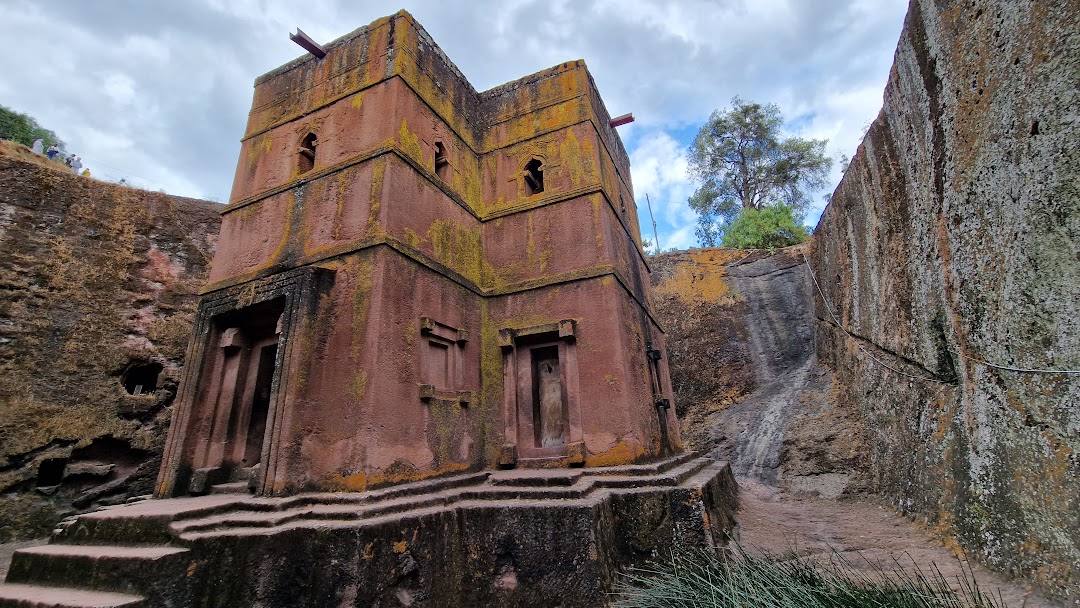
During these months, visitors can explore historic destinations such as Lalibela, Gondar, Axum, and the Simien Mountains. In addition, this period is excellent for cultural experiences and sightseeing in Addis Ababa.
The months of January and February are particularly attractive for travelers interested in Ethiopian religious celebrations. Timkat and Genna bring colorful ceremonies, traditional music, processions, and large community gatherings.
For many travelers, this is the best time to visit Ethiopia for a combination of comfortable weather and cultural experiences.
March to May
March to May marks a transition between the drier and wetter periods. Early March can still provide favorable travel conditions in many areas. However, rainfall gradually increases as the season progresses.
The countryside becomes greener during this period, creating beautiful scenery for photography and nature trips. At the same time, travelers should allow extra flexibility because heavy rainfall can affect some roads and rural routes.
If you prefer fewer tourists and do not mind occasional rain, this season can offer a quieter travel experience. It is also a good opportunity to enjoy Ethiopia’s landscapes when vegetation is fresh and green.
June to September
June to September is the main rainy season across much of the Ethiopian highlands. As a result, frequent rainfall can affect trekking, road travel, and some outdoor activities.
Even so, the rainy season has its own advantages. The highlands become particularly green, waterfalls are more impressive, and tourist numbers can be lower.
Travelers visiting during these months should choose their routes carefully. Furthermore, flexible schedules are useful when traveling to remote areas where rain may slow road journeys.
Best Time to Visit Omo Valley
The best time to visit Omo Valley depends on road conditions, regional weather, and the communities or activities you want to experience. The southern lowlands have a warmer climate than the Ethiopian highlands, so conditions can differ considerably from Addis Ababa and northern Ethiopia.
For many Omo Valley itineraries, the drier months provide easier access to remote communities and rural roads. October through January is a popular period for exploring destinations around Jinka, Turmi, Key Afer, and Omorate.
Nevertheless, weather conditions can vary from year to year. Travelers should plan with local conditions in mind, especially when visiting remote areas.
An Omo Valley journey can include cultural encounters with communities such as the Hamer, Mursi, Karo, Banna, and Dassanech. In addition, destinations such as Mago National Park and the lower Omo region add opportunities for wildlife, landscapes, and cultural exploration.
For an authentic Omo Valley Experience Tour, choosing a suitable season can make long-distance journeys more comfortable and help travelers enjoy more time in local communities.
Best Time to Visit Ethiopia for Festivals
Ethiopian festivals are an important reason to plan your journey around specific dates. Religious celebrations are deeply connected to local traditions, music, clothing, food, and community life.
Timkat – January
Timkat, the Ethiopian celebration of Epiphany, takes place in January. Colorful processions, chanting, traditional clothing, and religious ceremonies make this one of Ethiopia’s most memorable cultural events.
Lalibela, Gondar, and Addis Ababa are among the destinations where travelers can experience impressive Timkat celebrations. Therefore, January is an excellent choice for visitors who want to combine sightseeing with a major Ethiopian festival.
Genna – January
Genna is the Ethiopian Christmas celebration. It is observed in January according to the Ethiopian calendar and is especially significant in historic communities across the country.
Lalibela is particularly famous for its Christmas celebrations. Meanwhile, visitors can combine the festival with cultural sightseeing and exploration of the town’s remarkable rock-hewn churches.
Meskel – September
Meskel celebrates the finding of the True Cross. The festival is known for large gatherings, traditional ceremonies, singing, dancing, and the famous Demera bonfire.
Addis Ababa is one of the main places to experience Meskel. As a result, travelers visiting Ethiopia in late September can enjoy both cultural celebrations and city sightseeing.
Enkutatash – September
Enkutatash marks the Ethiopian New Year and usually takes place in September. Families gather to celebrate, while communities enjoy traditional songs, flowers, food, and festivities.
The celebration offers visitors another opportunity to experience everyday Ethiopian culture. In addition, September can be an attractive period for travelers interested in local traditions and cultural experiences.
Best Months to Visit Ethiopia
There is no single month that is perfect for every destination. Instead, the best months to travel depend on your itinerary.
| Month | Ethiopia Travel Conditions | Best Travel Experiences |
|---|---|---|
| January | Generally dry in many regions | Timkat, Genna, Lalibela |
| February | Dry and comfortable in many areas | Historic sites, trekking, Omo Valley |
| March | Transition toward wetter conditions | Culture, landscapes, sightseeing |
| April | Increasing rainfall | Green landscapes and cultural tours |
| May | Wetter conditions in many areas | Fewer tourists, nature |
| June | Rainy season begins in many highlands | Green scenery and selected tours |
| July | Wet in many northern areas | Highlands and selected cultural trips |
| August | Rainy in many regions | Green landscapes and flexible itineraries |
| September | Rain begins to decrease | Meskel, Enkutatash, cultural travel |
| October | Generally favorable conditions | Northern Ethiopia and Omo Valley |
| November | Dry conditions in many regions | Cultural tours, trekking, Omo Valley |
| December | Generally dry and pleasant | Historic sites and cultural experiences |
Overall, October to February is often a strong period for general Ethiopia travel. However, regional differences mean that your destination should always be considered before selecting travel dates.
Ethiopia Weather and Travel Conditions
Ethiopia’s geography creates significant differences in climate. Highland destinations can be cool, while lowland areas such as the Omo Valley and Danakil Depression can be much warmer.
Northern Ethiopia
Northern Ethiopia includes destinations such as Lalibela, Gondar, Axum, and the Simien Mountains. These areas are generally more comfortable during the drier months.
For this reason, many travelers choose October through February for northern sightseeing and trekking. Clearer conditions can also provide excellent views of mountains, valleys, and historic landscapes.
Addis Ababa
Addis Ababa sits at a high elevation, giving the city a relatively mild climate compared with many lowland areas.
Visitors can explore museums, churches, markets, parks, and viewpoints throughout the year. Nevertheless, dry-season days are often more convenient for combining city sightseeing with day trips outside the capital.
Omo Valley and South Ethiopia
The Omo Valley is warmer and has different weather patterns from the northern highlands. Road conditions are an important consideration because many cultural destinations are reached by long journeys on rural roads.
Consequently, travelers should consider both weather and road conditions when selecting dates for an Omo Valley tour.
Danakil Depression
The Danakil Depression is one of Ethiopia’s hottest regions. Temperatures can be extreme, particularly during the hottest periods.
Because of these conditions, travelers should plan carefully and use experienced local guides and tour operators. In addition, early starts and proper preparation are important for comfort and safety.
Best Time to Visit Ethiopia for Different Experiences
Different activities require different travel conditions. Therefore, the ideal season depends on what you want to do.
Cultural Tours
For cultural tours, the dry season is often convenient. Historic towns, churches, markets, and rural communities can be easier to reach when roads are less affected by rainfall.
Festival periods are particularly rewarding for travelers who want to experience Ethiopia’s living traditions.
Trekking and Hiking
The Ethiopian highlands are best suited to trekking when weather and trail conditions are favorable. The Simien Mountains and other highland destinations can offer spectacular landscapes.
However, conditions can change quickly in mountainous areas, so travelers should prepare for variable weather.
Omo Valley Cultural Experiences
Travelers interested in the Omo Valley should consider road conditions as well as weather. Generally, drier periods can make journeys to remote communities more manageable.
An Omo Valley Experience Tour can include cultural visits, local markets, traditional ceremonies, wildlife areas, and scenic drives through southern Ethiopia.
Photography and Nature
Every season offers different photographic opportunities. The dry season often provides clearer skies, while the rainy season can transform the countryside into vivid green landscapes.
Therefore, photographers can choose their travel dates according to the type of scenery they prefer.
Plan Your Ethiopia and Omo Valley Experience
Choosing the best time to visit Ethiopia is an important part of planning your journey. However, there is no universal answer because Ethiopia’s climate and landscapes vary considerably between regions.
For general sightseeing, October through February is often a convenient period. Meanwhile, festival travelers should plan around celebrations such as Timkat, Genna, Meskel, and Enkutatash.
If the Omo Valley is the main focus of your trip, consider seasonal road conditions, regional weather, and the destinations you want to visit. A well-planned itinerary can combine cultural encounters with nature, wildlife, and scenic landscapes.
Ultimately, the right travel season depends on your interests, destination, and preferred experience. With careful planning and local knowledge, your Ethiopia journey can be memorable in any season.
Plan Your Omo Valley Experience Tour
Ready to explore Ethiopia’s diverse landscapes and cultures? Omo Valley Experience Tours can help you plan a journey that matches your interests, travel dates, and preferred destinations.
From Addis Ababa and the historic north to the cultural communities of southern Ethiopia, your itinerary can be designed around the season and experiences you want most.

All Categories
Recent Posts
Best Tour Operator in Ethiopia | Omo Valley Tours
Best Places to Visit in Ethiopia | Complete Travel Guide